Porcelain
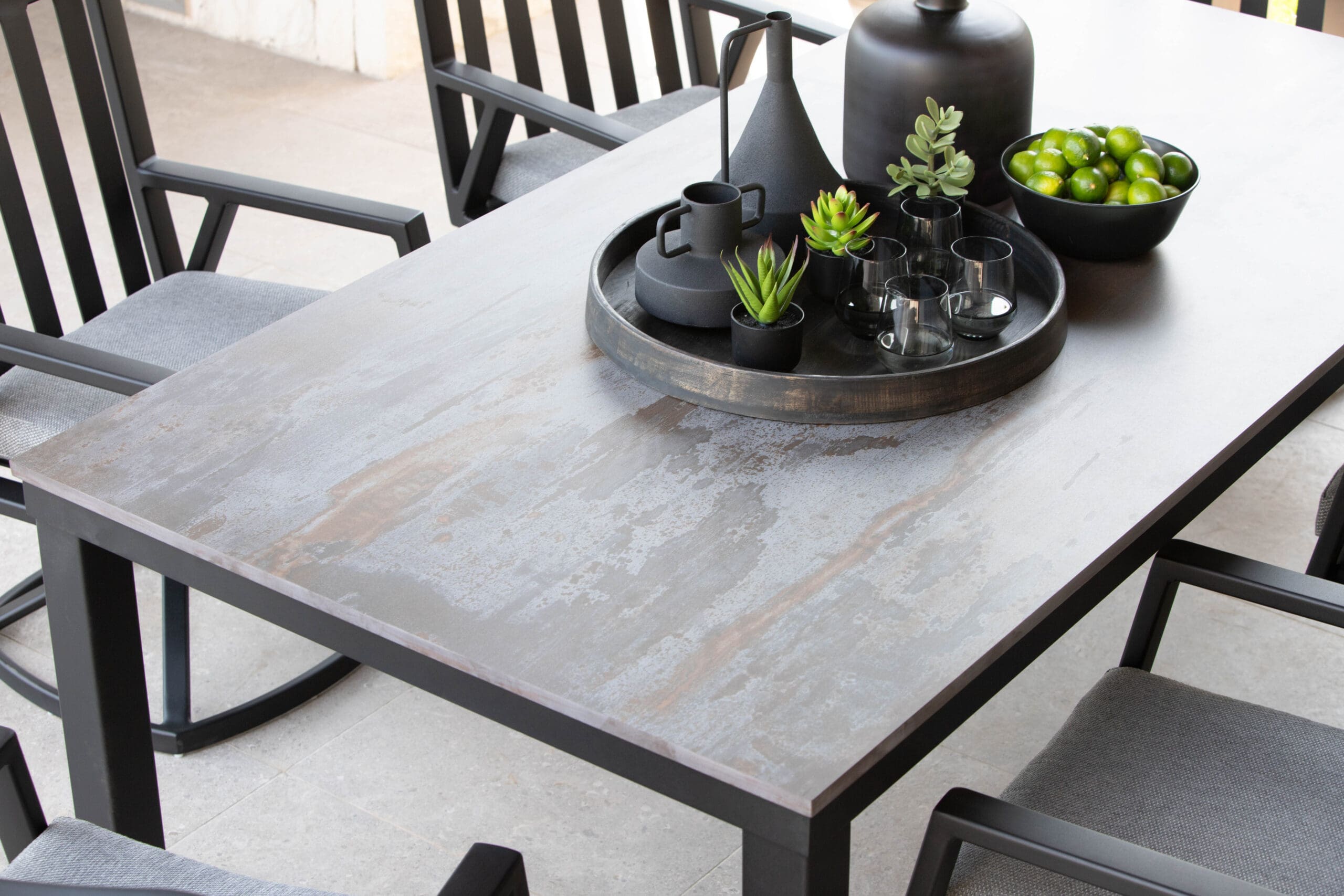
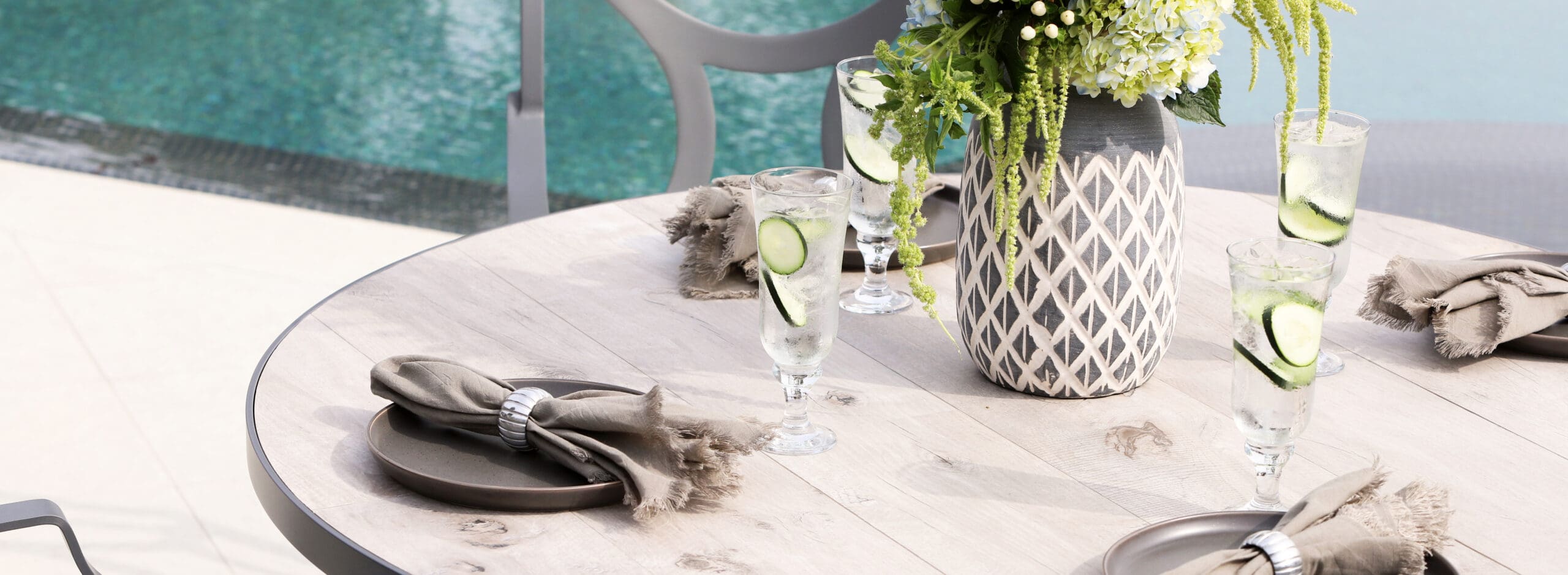
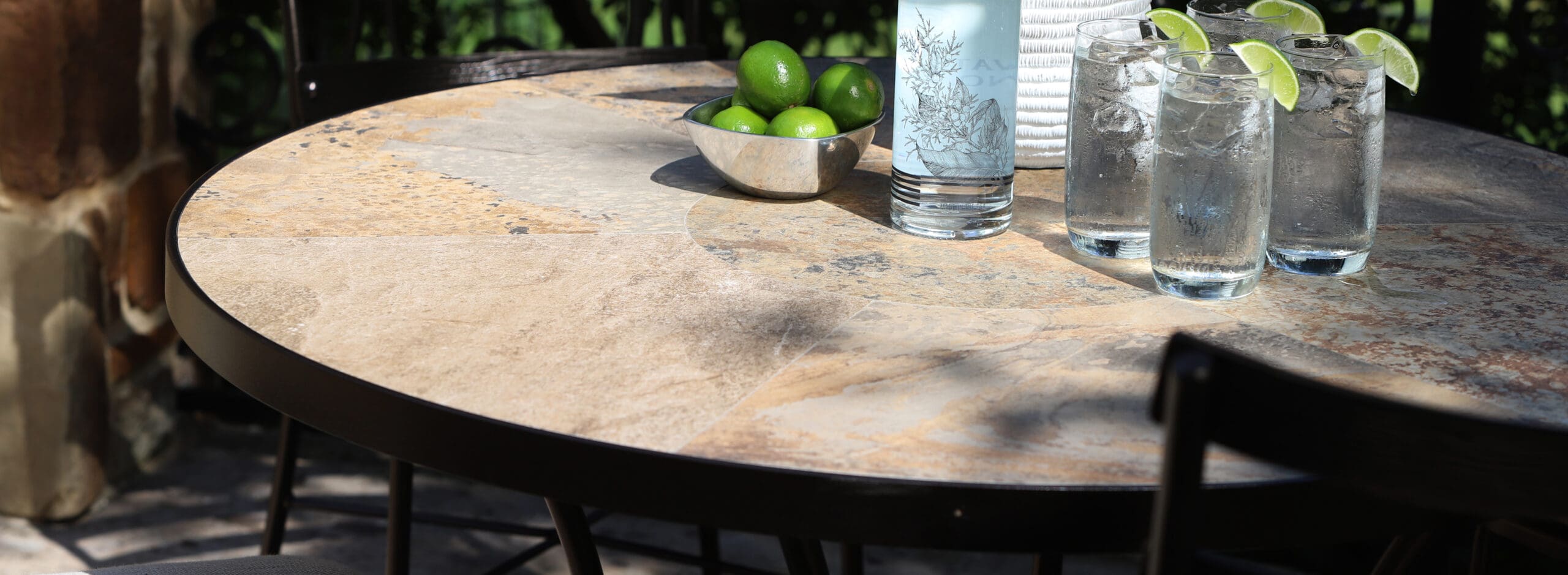
Our porcelain table tops all have three layers: the substrate, the adhesive, and the porcelain tile with grout, wrapped by a metal rim.
The substrate is the “foundation” of the table top. It is made of two lightweight aluminum sheets with a honeycomb structure sandwiched in between. The honeycomb shape is the strongest shape in nature and provides lightweight strength for the table top. This same material is also used on the sides of skyscrapers for the same reasons.
The next layer is an epoxy glue that adheres the tiles onto the substrate. This adhesive is superior to using tile mastic or other types of bonds, because of a chemical reaction that takes place, creating a stronger bond as it dries. The epoxy adhesive is also waterproof.
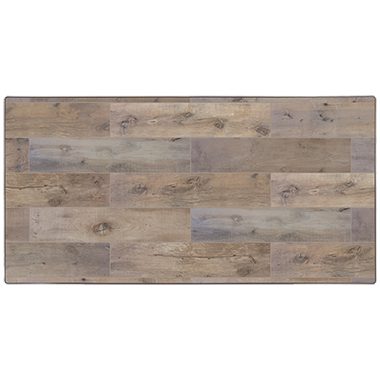
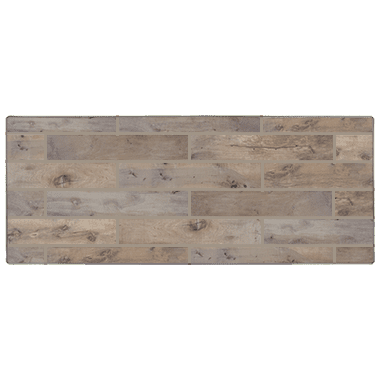
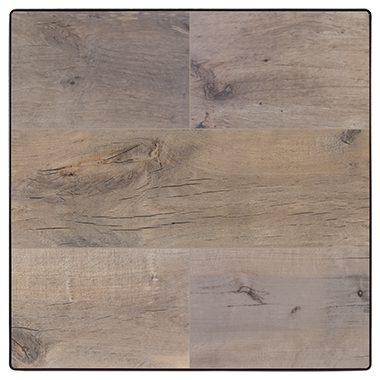
Lastly, the tile is precisely set and an epoxy grout is used where tiles meet. Porcelain tiles are used over ceramic tiles or natural stone because they are denser and less porous which means they do not absorb water. In freezing temperatures these other materials are likely to split or crack when the water absorbed into the material freezes and expands. Our porcelain tiles not only repel water, but all other liquids as well, so it will not stain from spills. These porcelain tiles are commercial grade and very durable. The kiln-fired finish is as durable as the tile itself and will last for years. The metal rim protects the tile from breaking due to side impact. For example, when the back of a chair hits against the table.
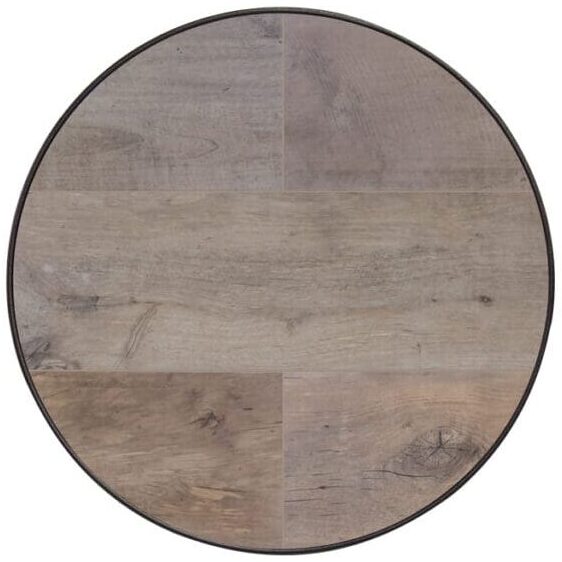
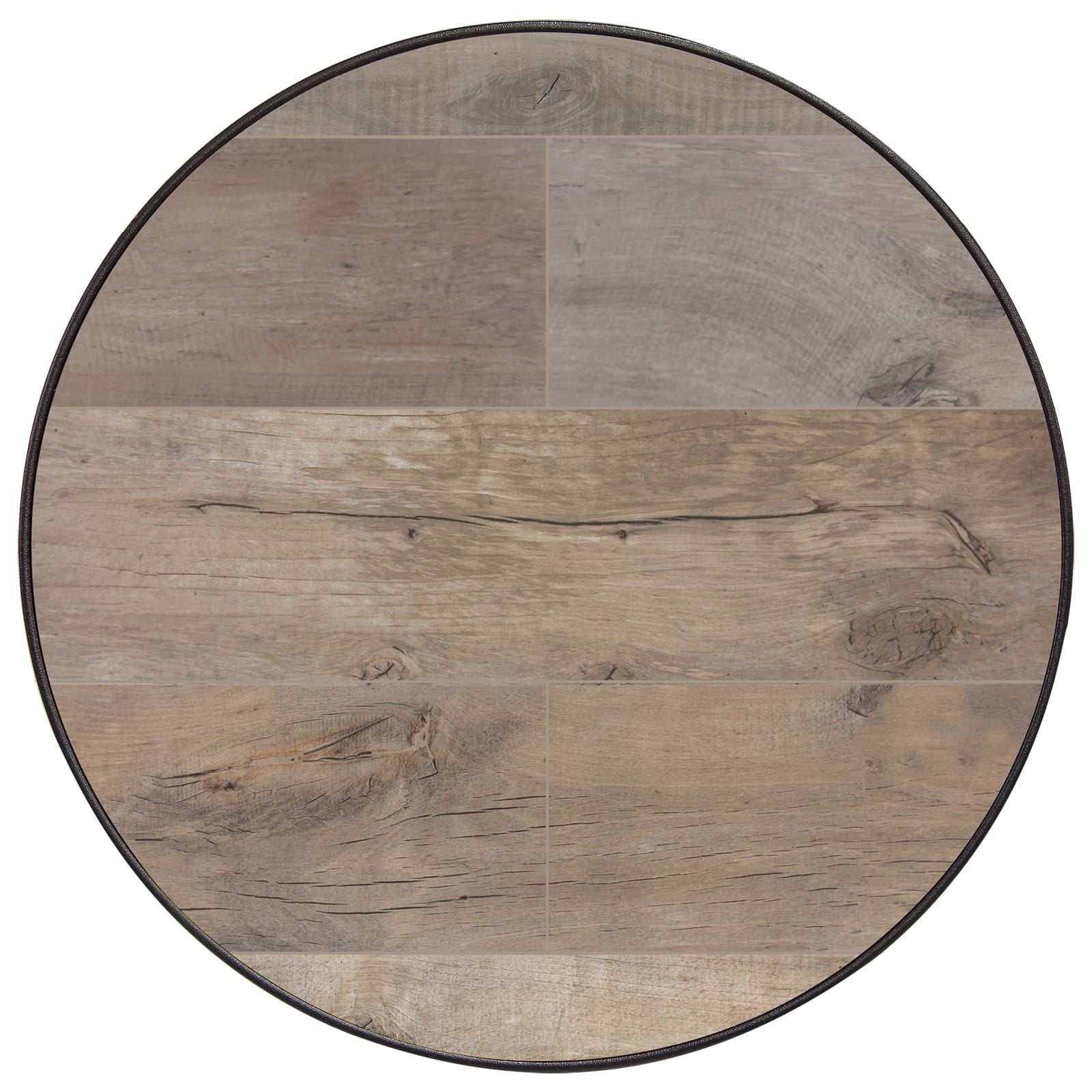
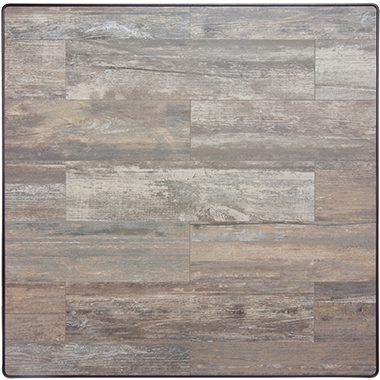
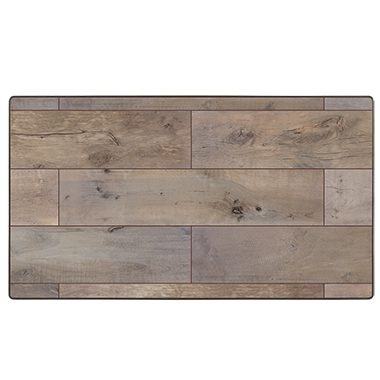
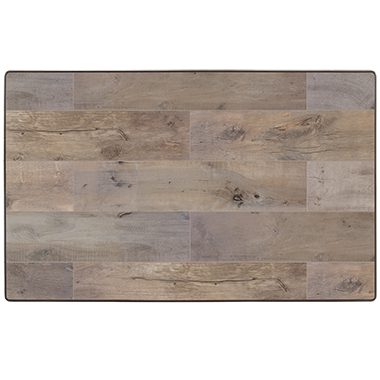
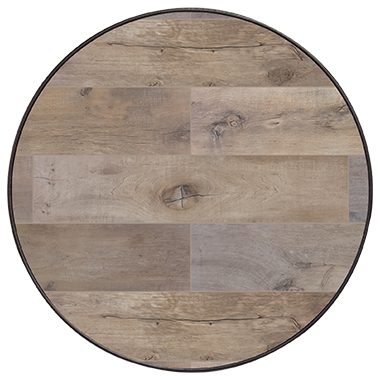
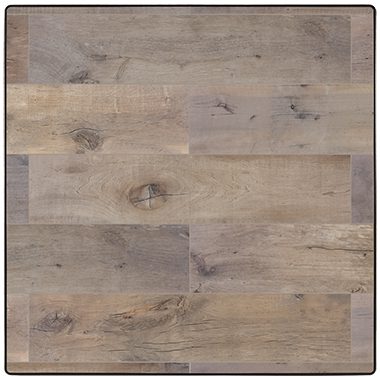
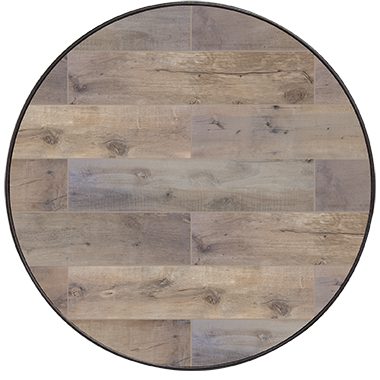
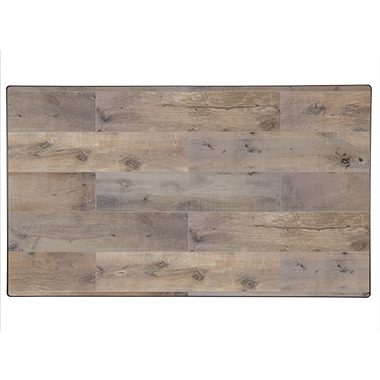
Click an image to download high-resolution photo.